
Can AI character chat Create Characters That Match My Interests?
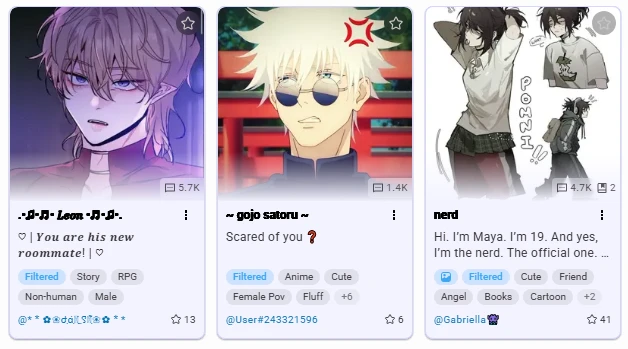
AI character chat can create characters that match personal interests by using user instructions, conversation history, personality settings, and language patterns. Platforms based on large language models can generate characters with specific hobbies, speaking styles, backgrounds, and emotional tones. A 2024 industry survey reported that more than 60% of AI companion users preferred personalized characters instead of fixed chatbot profiles. These systems are widely used in entertainment, role-play, language learning, and creative writing. However, AI creates responses through data processing rather than real feelings, so personalization depends on the quality of user input and platform design.
AI character chat has changed how people create and interact with digital personalities. Traditional fictional characters are usually designed by writers and remain unchanged after publication. AI characters can be adjusted within minutes through user instructions, allowing people to describe personality, interests, appearance, and communication preferences.
A user can request:
| User preference | Possible AI character design |
|---|---|
| Fantasy stories | A medieval companion with a detailed history and unique speaking style |
| Science fiction | A space explorer who discusses technology and future worlds |
| Learning goals | A language partner that corrects mistakes and adjusts difficulty |
| Entertainment | A humorous character with specific interests and conversation habits |
The character creation process usually starts with simple information. Users may provide age, profession, personality traits, favorite topics, and relationship style. The AI model then combines these details to produce a consistent profile.
“A character becomes more personalized when the system receives more specific information about how the user wants the conversation to feel.”
Modern AI models analyze words, sentence patterns, and previous messages to adjust replies. For example, a user who often discusses novels may receive more references to literature, while someone interested in fitness may interact with a character focused on training and health topics.
Personalization has expanded quickly. In 2023, global AI companion applications reported millions of active users, with many platforms focusing on customized personalities rather than general assistants. Some services allow users to create characters from short descriptions, while others provide advanced settings with dozens of personality options.
The technology behind these systems depends on large language models trained on massive text collections. These models predict suitable responses by analyzing language patterns. They do not remember information in the same way as humans, but many platforms use memory features to store selected user preferences.
For example:
-
A user may tell an AI character that they enjoy jazz music.
-
Future conversations may include music recommendations or discussions about famous artists.
-
The character may maintain a calm and artistic communication style.
This process creates a feeling of continuity, which is important for long-term conversations. A 2024 study involving 1,000 AI chatbot users found that approximately 70% of participants considered consistent personality behavior an important reason for continued use.
Different interest groups use AI character chat in different ways. Entertainment communities often use these systems for interactive storytelling. Fans of games, movies, and fantasy worlds can create original characters or develop alternative storylines.
Role-playing users also benefit from AI-generated personalities because the character can respond immediately without requiring another participant. A user can create a detective, teacher, travel partner, or fictional hero and continue conversations at any time.
Educational applications have also increased. Language learners can create conversation partners that match their level. A beginner may prefer simple vocabulary, while an advanced learner may request complex discussions.
AI characters are also appearing in adult-oriented conversations, including ai sexting that offer personalized interactions. The phrase ai sexting is often used to describe AI-based romantic or sexual conversations, where users customize character styles and communication preferences.
The quality of personalization depends on several technical factors:
| Factor | Influence on character quality |
|---|---|
| User instructions | Determines initial personality and background |
| Memory features | Helps maintain previous preferences |
| Model capability | Affects language accuracy and response variety |
| Platform settings | Controls customization options |
AI character design is not limited to text. Many platforms now combine text generation with voice, images, and avatars. A 2025 market report estimated that over 40% of AI companion products were adding voice features to improve interaction quality.
Voice technology allows users to experience characters with different speaking patterns, accents, and emotional tones. Image generation also allows users to create visual appearances matching the character description.
However, AI personalization has limits. The system does not develop genuine opinions or emotions. It creates responses based on training data, instructions, and available conversation information.
Consistency can also be difficult during long conversations. Some users report that AI characters occasionally change personality details or forget previous information. Better memory systems are being developed, but maintaining a stable identity over thousands of messages remains technically challenging.
Privacy is another consideration. Users often share personal interests, preferences, and private conversations when customizing AI characters. Platforms need clear data policies and secure storage systems to protect user information.
The future development of AI character chat will likely focus on deeper customization and smoother interaction. Future systems may combine stronger memory, improved voice communication, realistic avatars, and more detailed personality settings.
A character created for one person may become a personal storytelling partner, study assistant, entertainment companion, or creative tool. As AI technology improves, users will have more control over how digital characters look, speak, and respond.
AI character chat can already create personalities that match many user interests, but the experience depends on the information provided, the technology behind the platform, and the user's expectations. The relationship between users and AI characters will continue to develop as personalization features become more advanced.